Rəsmi vebsaytları necə tanımalı?


Rəsmi vebsayt linkləri .gov.az ilə bitir.
Dövlət qurumları .gov.az domenləri (məsələn, my.gov.az) vasitəsilə əlaqə qurur.
Güvənilir vebsaytların siyahısı

Ministry of Health Presents the “Digital Care for Citizens’ Health: Medical Digital Twin System” Project
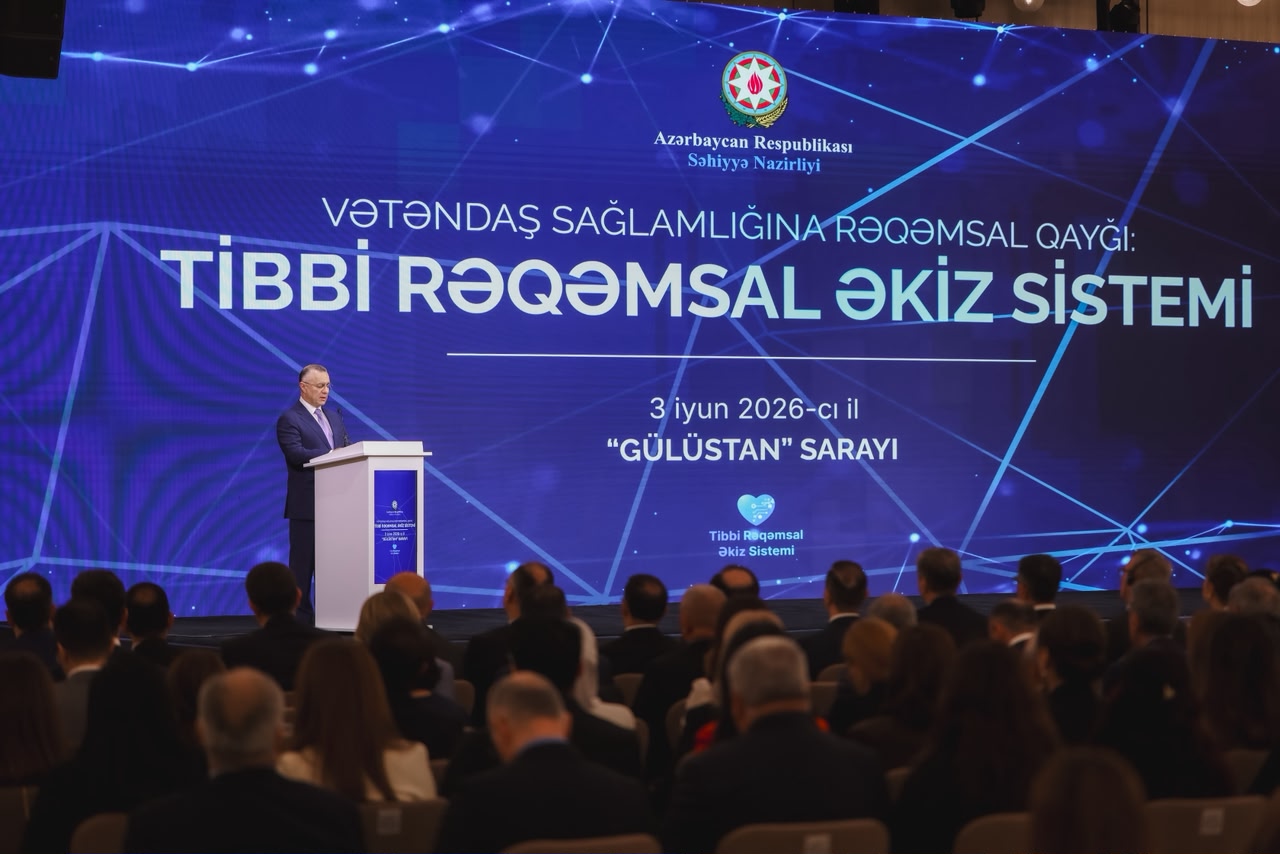
The Ministry of Health has presented the Medical Digital Twin System (MDTS), which ensures the collection and continuous exchange of citizens’ medical data in accordance with international standards. Built on the FHIR standard and integrating more than 20 digital solutions on a single platform, this centralized system is designed to monitor public health in real time, eliminate the need for repeated medical tests, and promote social equity. By implementing this solution, Azerbaijan has become a regional leader in digital healthcare across the Caucasus and Central Asia.
The presentation was attended by representatives of government agencies, healthcare institutions, international partners, the medical community, and the media.
The event began with the national anthem of the Republic of Azerbaijan.
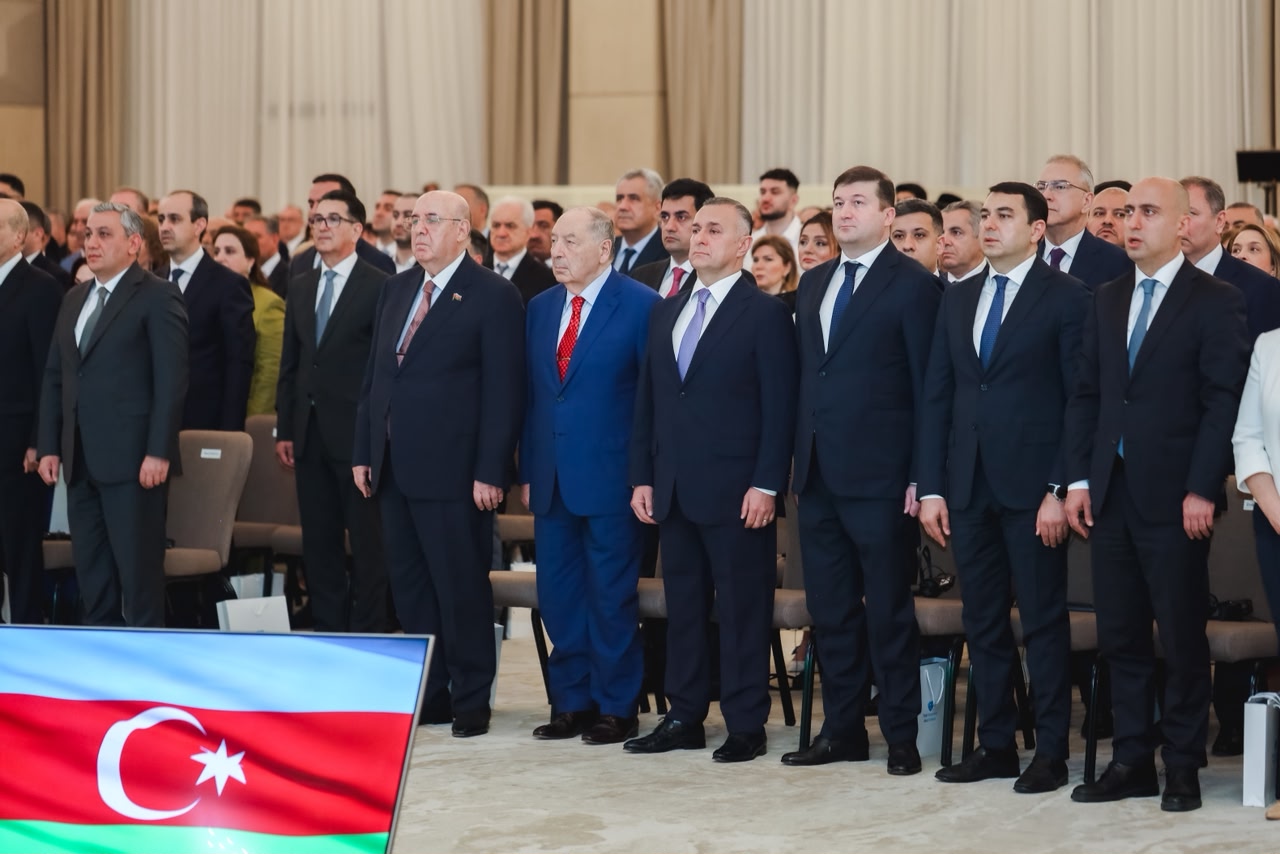
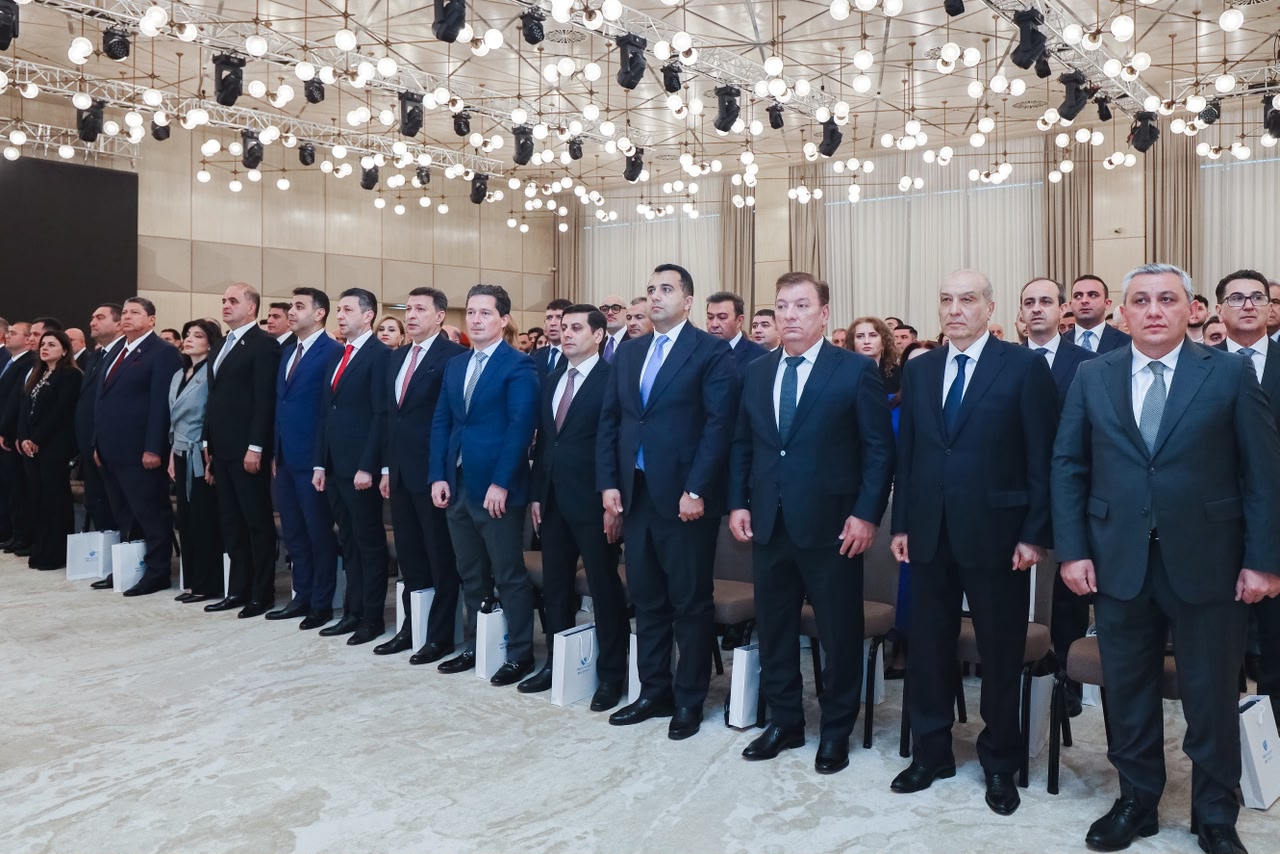
In his opening remarks, Minister of Health Teymur Musayev noted that important steps have been taken to improve the digital healthcare infrastructure under the leadership of President Ilham Aliyev:
“The establishment of the Digital Development Council of the Republic of Azerbaijan, chaired by First Vice-President Mehriban Aliyeva in accordance with the Presidential Decree of February 27, 2026, is clear evidence of state support for the development of this sector at the highest level.”
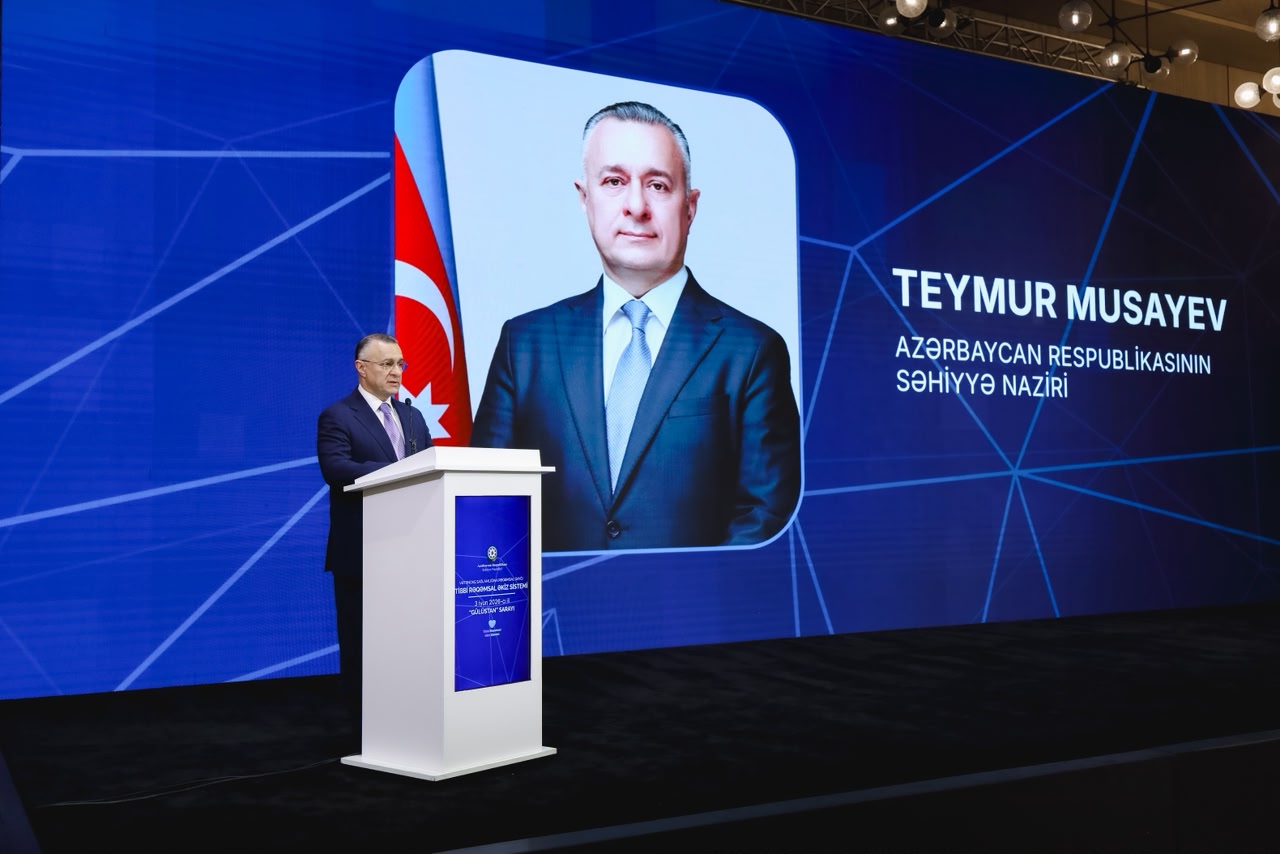
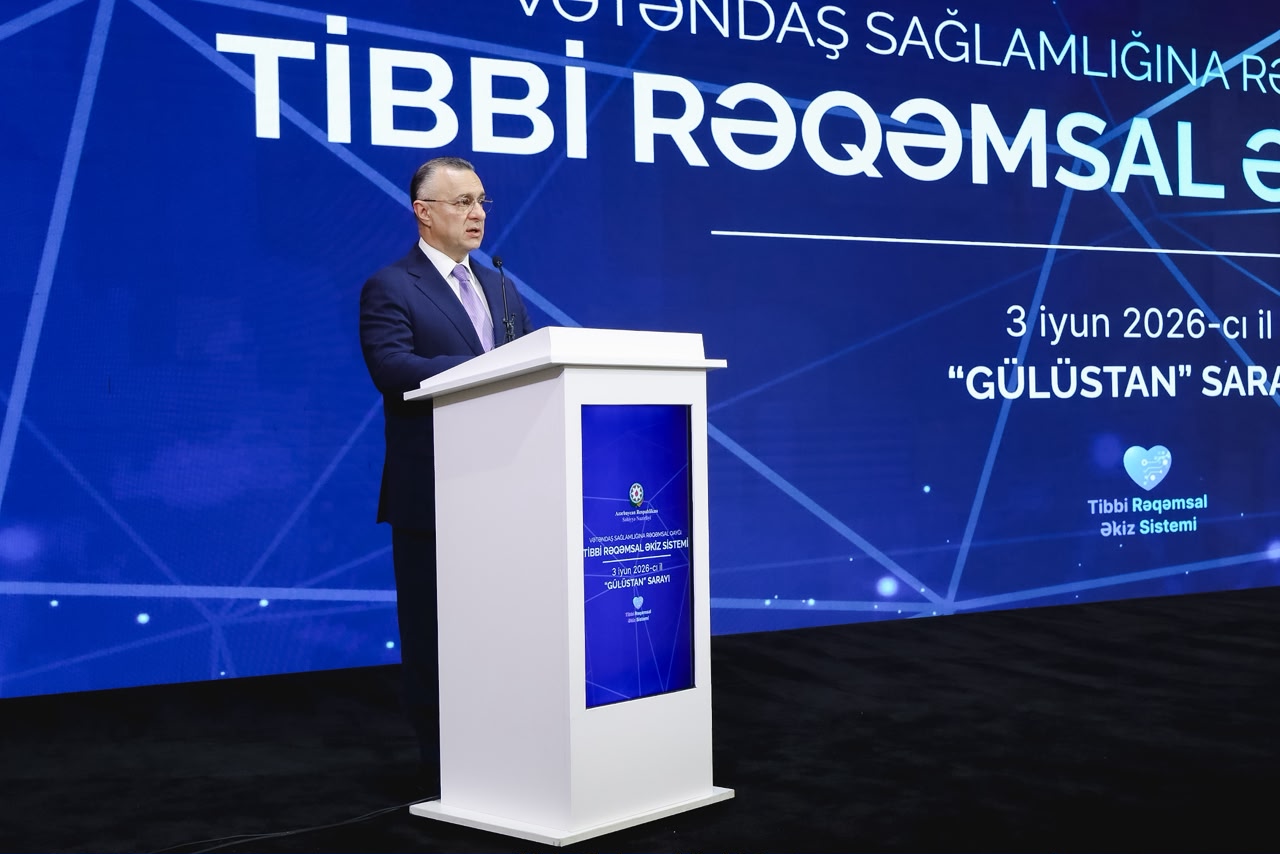
Teymur Musayev emphasized that the Medical Digital Twin System is a centralized platform that ensures the collection of citizens’ medical data through unified electronic registries and enables the use of artificial intelligence to forecast public health trends and effectively manage crisis situations.
The Minister also announced that, beginning with the next academic year, courses on “Digital Technologies and Artificial Intelligence in Medicine” are planned to improve digital literacy.
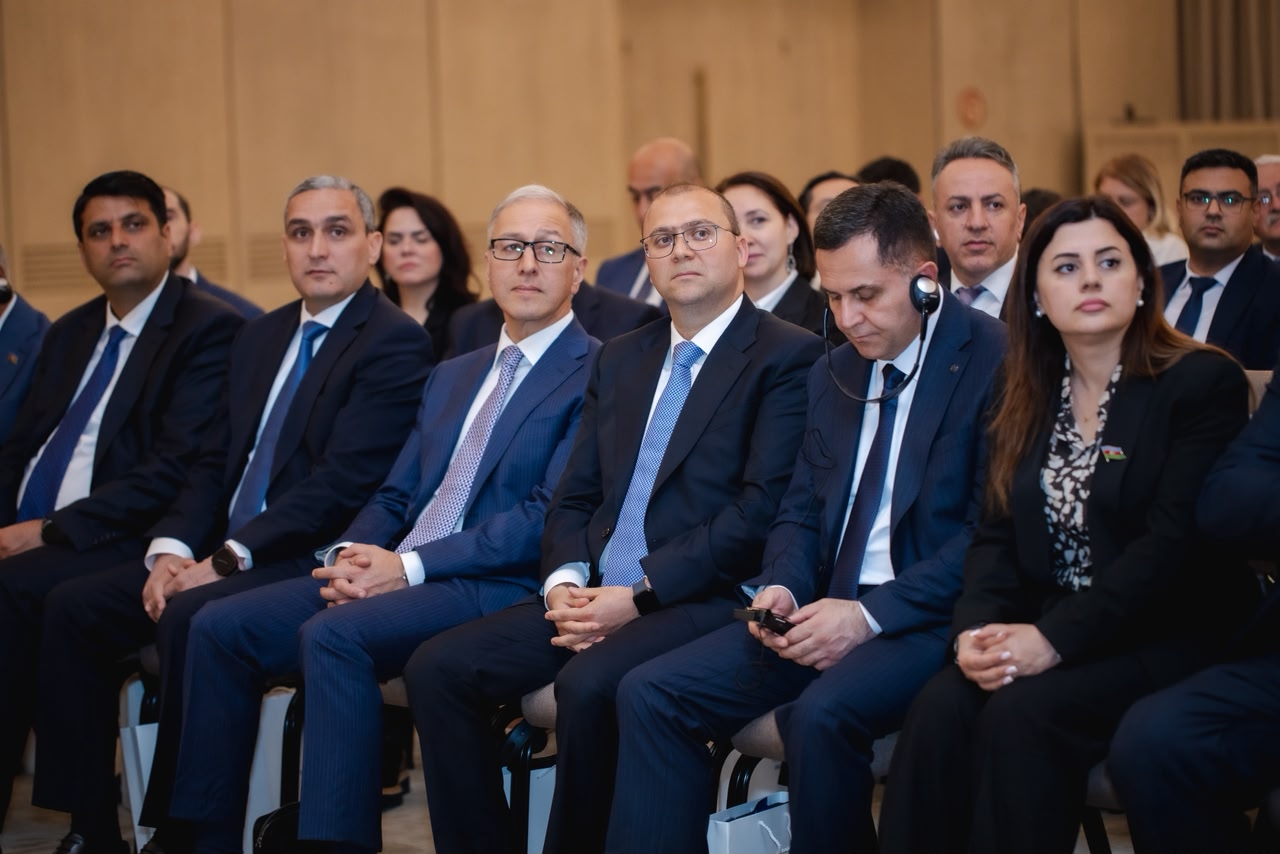
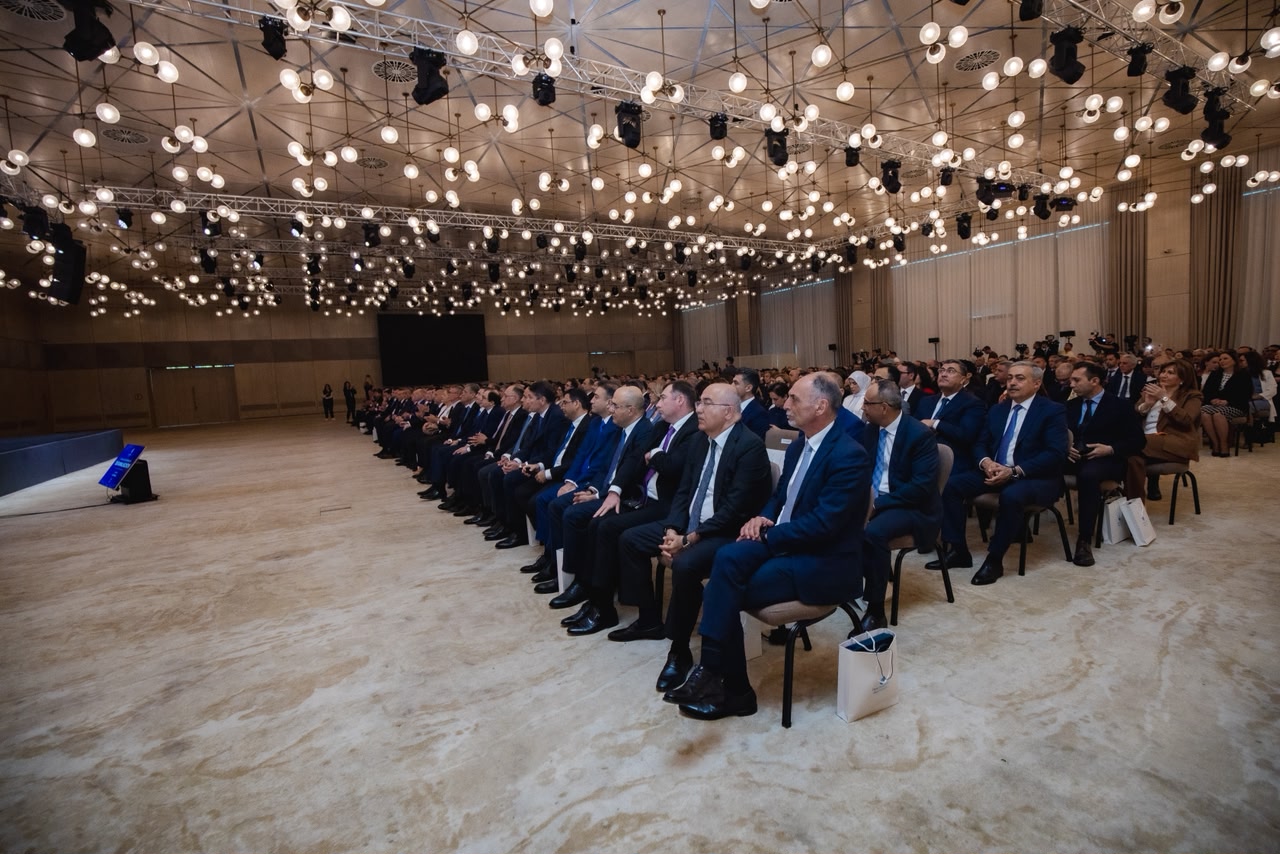
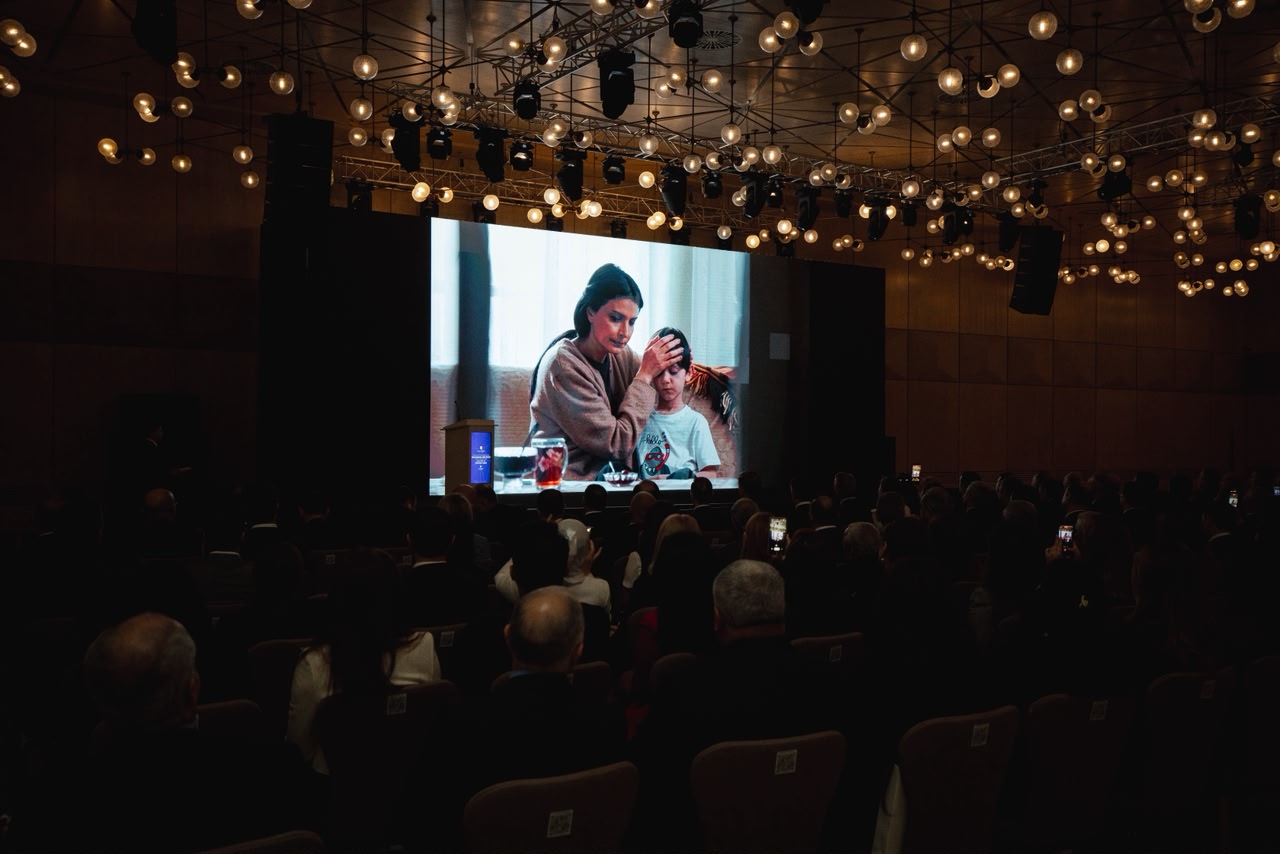
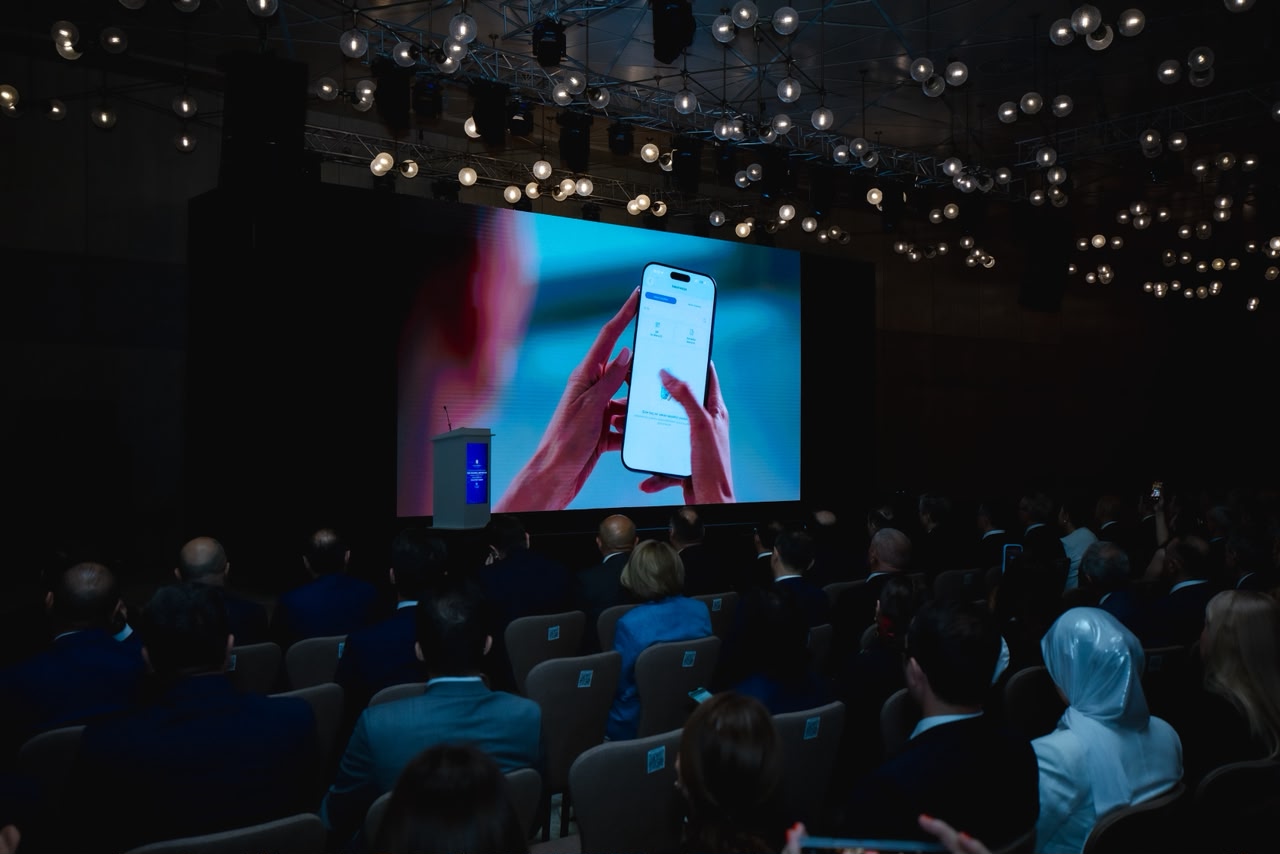
During the event, a video presentation highlighted the benefits of the “Digital Care for Citizens’ Health: Medical Digital Twin System” project.
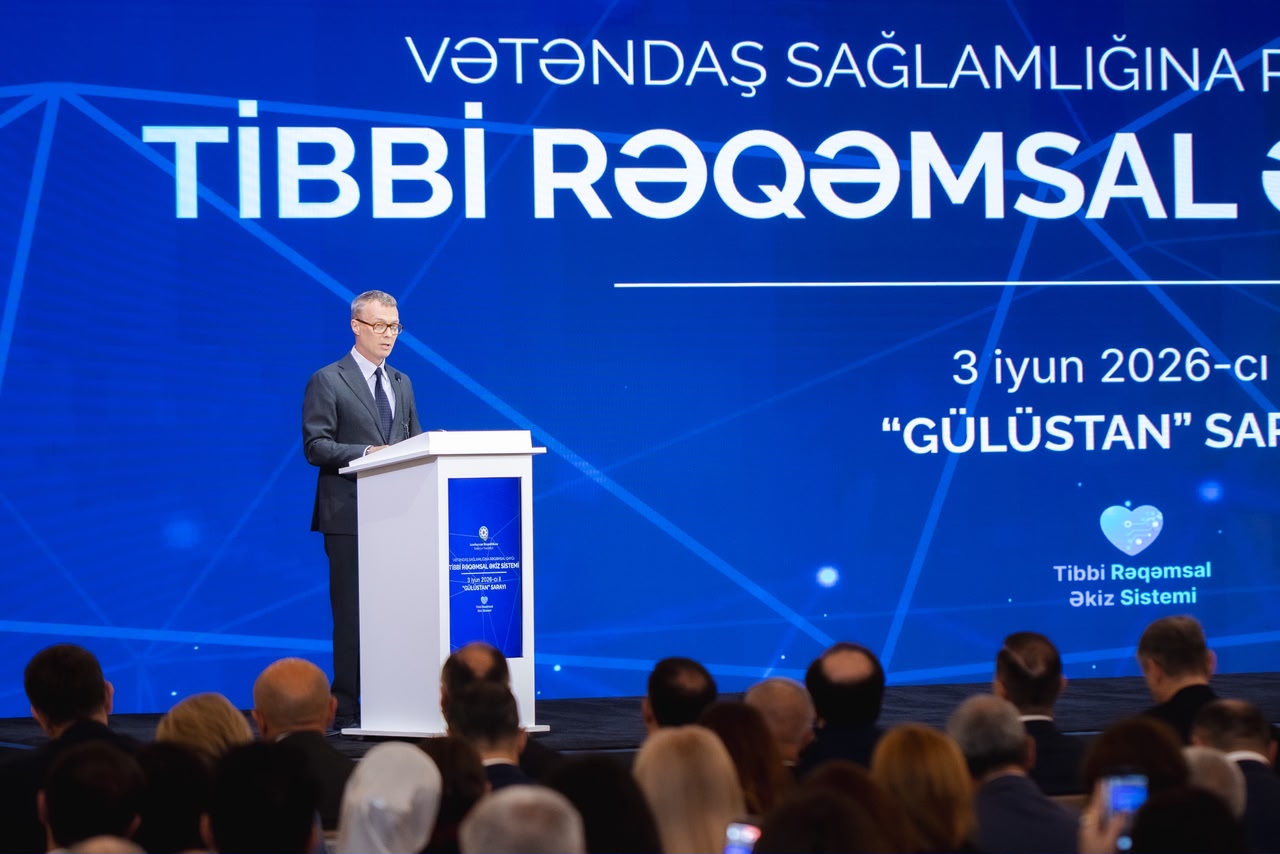
Robb Butler, Special Representative of the Regional Director of the WHO Regional Office for Europe, praised the digital transformation projects being implemented in Azerbaijan’s healthcare sector and noted that the country is among the regional leaders in healthcare digitalization across the Caucasus and Central Asia.
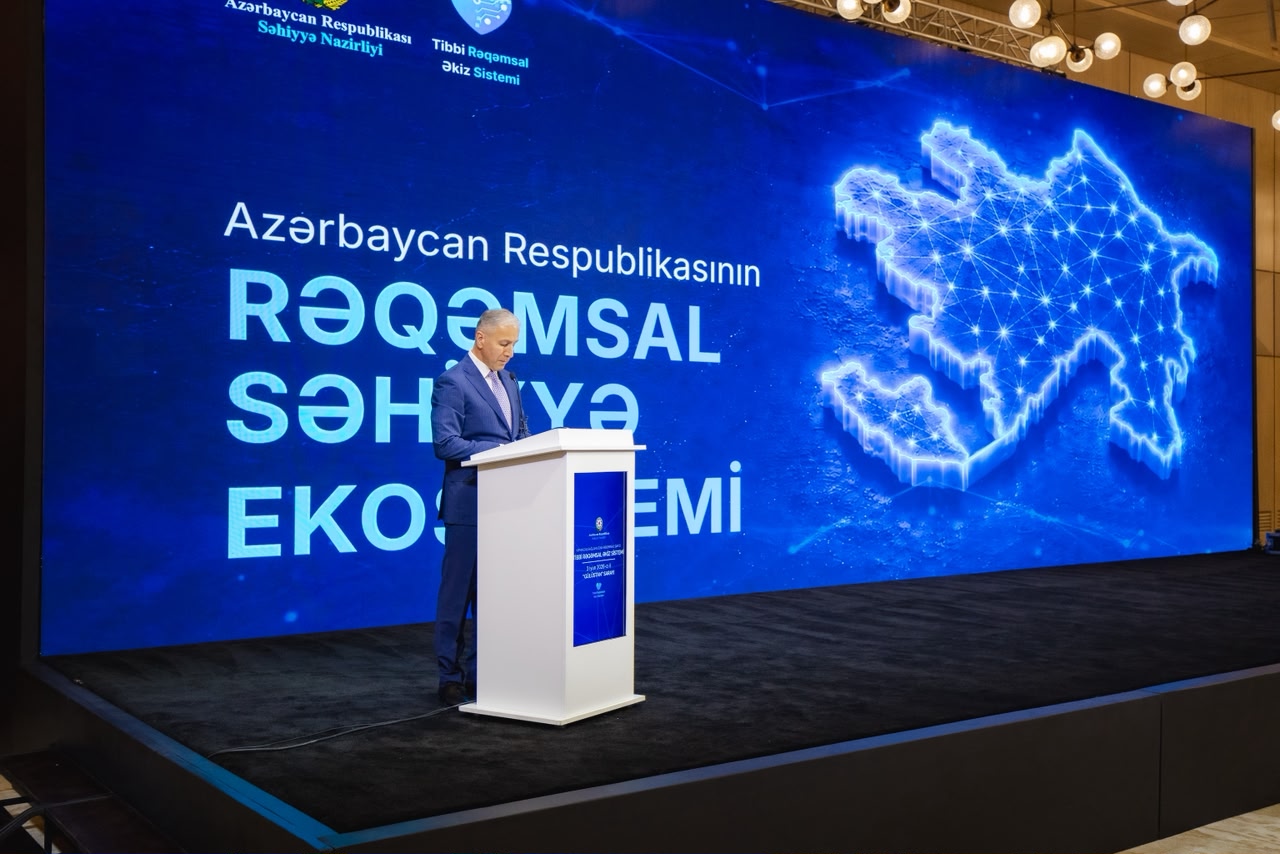
Rufat Hajialibayov, Adviser to the Minister of Health, delivered a presentation entitled “The Digital Healthcare Ecosystem of the Republic of Azerbaijan,” providing detailed information on digitalization initiatives implemented in recent years. He noted that the Medical Digital Twin System eliminates the need for repeated medical tests and doctor visits, helps reduce citizens’ expenses, decreases the burden on the healthcare and health insurance systems, enables real-time monitoring, and allows proactive reminders to be sent to citizens regarding preventive measures such as immunization and screening.
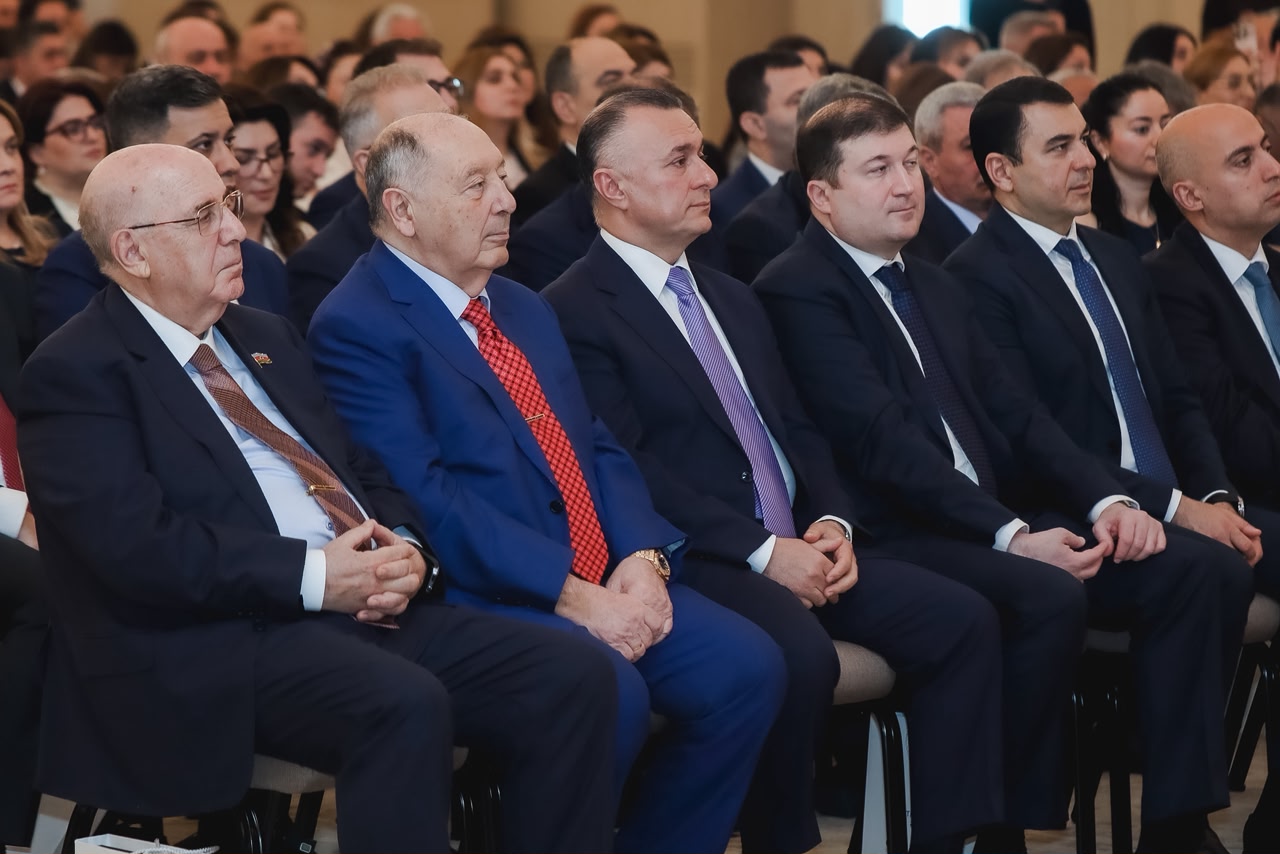
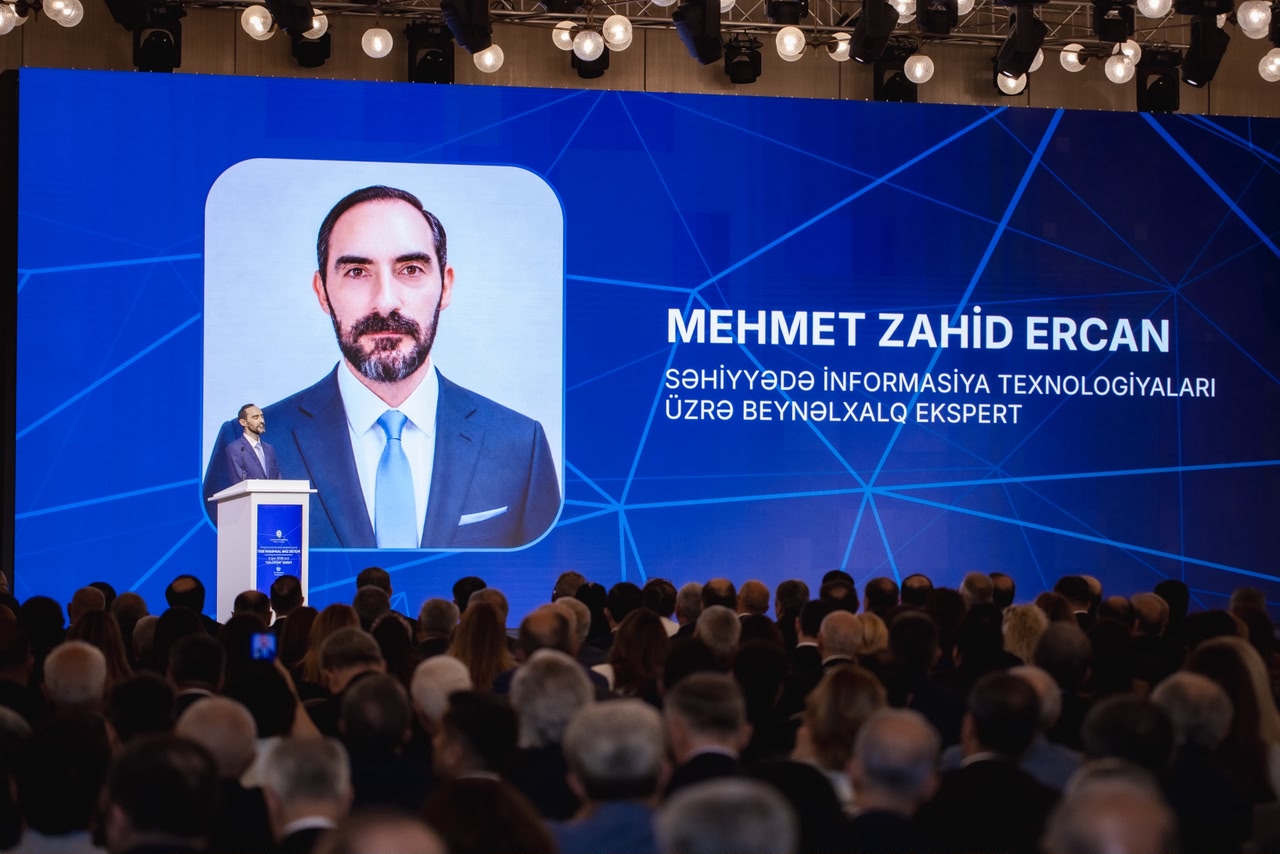
International expert Mehmet Zahid Ercan delivered a presentation on the “Medical Digital Twin System,” introducing participants to the technological features and innovative capabilities of the project.
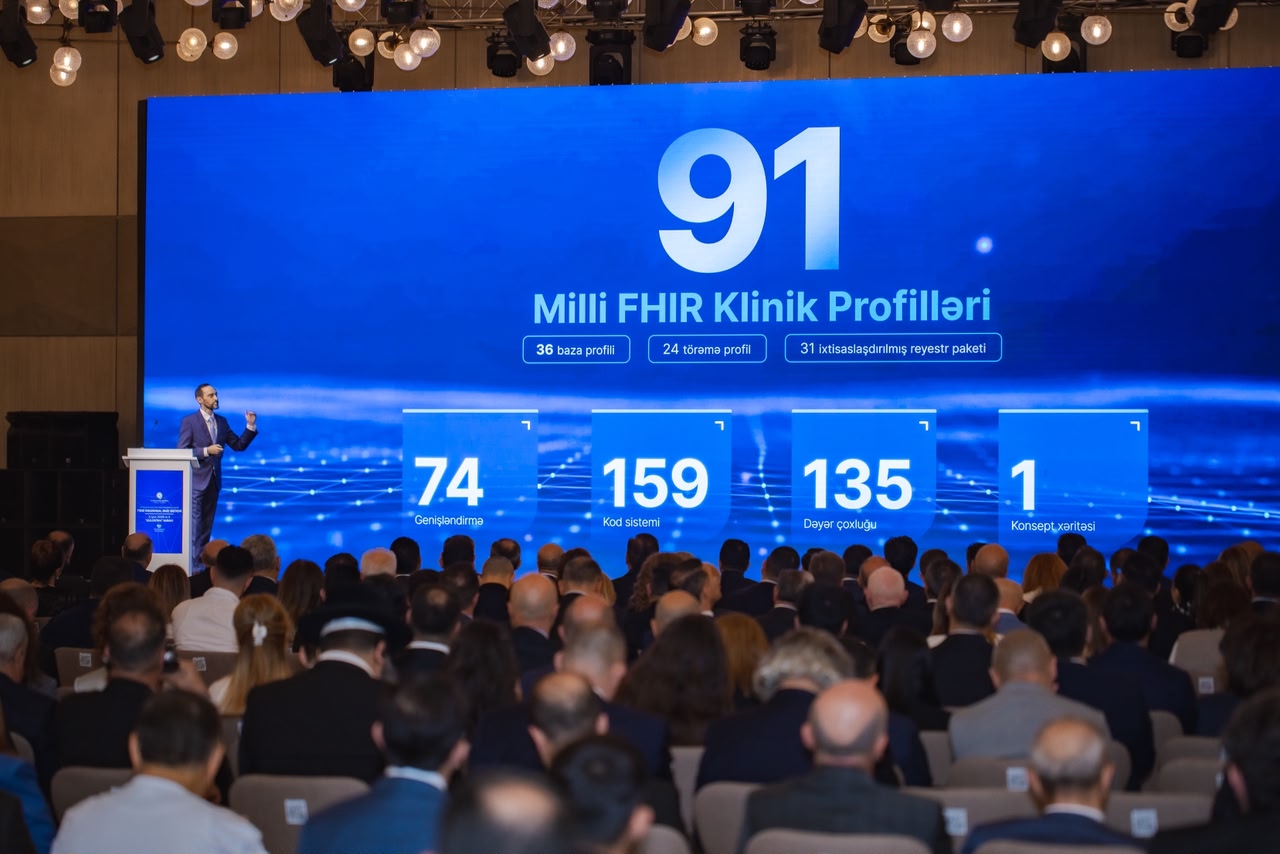
The migration of the Unified Health Information System to the Government Cloud has now been fully completed. The electronic sick leave system has been implemented nationwide, and the use of paper-based sick leave certificates has been discontinued. In addition, a unified registry of electronic discharge summaries has been established, and their use has begun in social benefit payments as well as insurance processes.
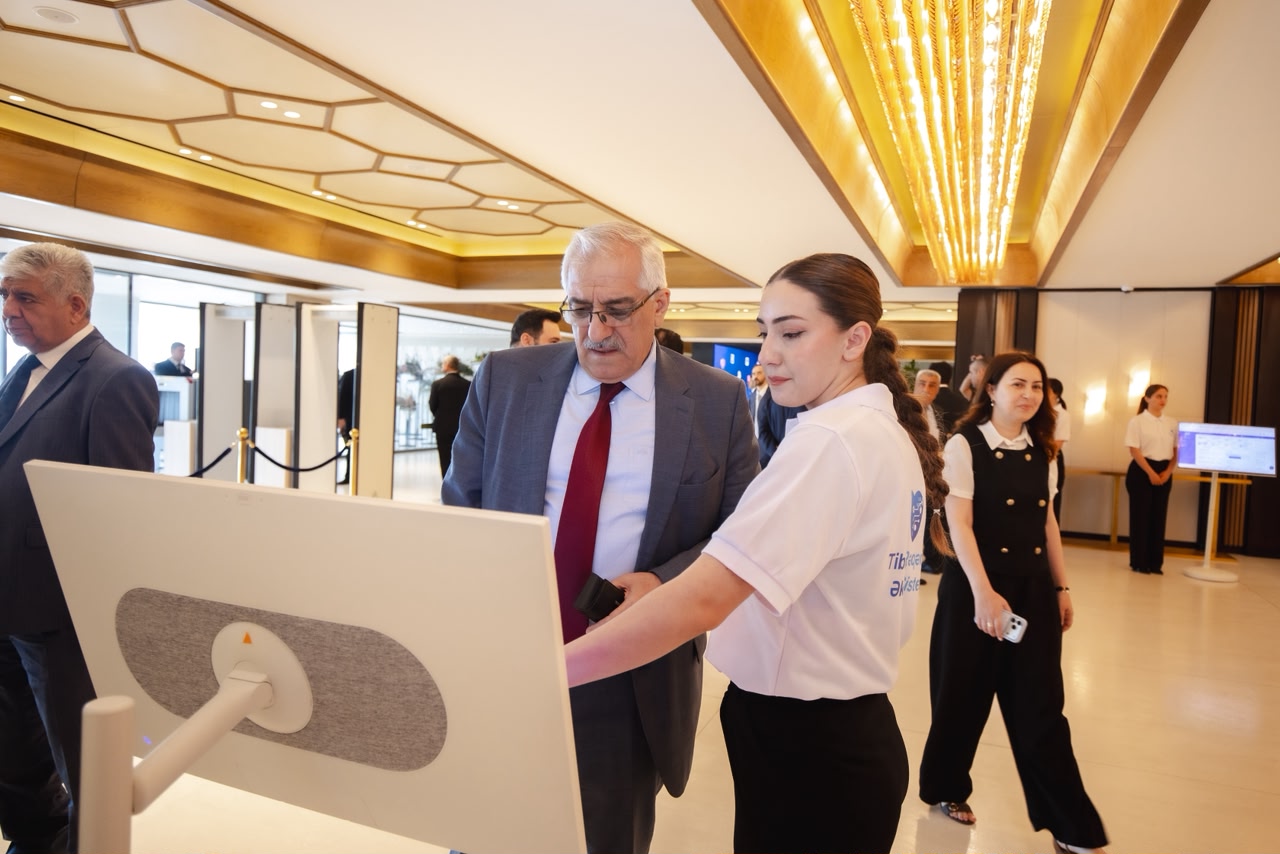
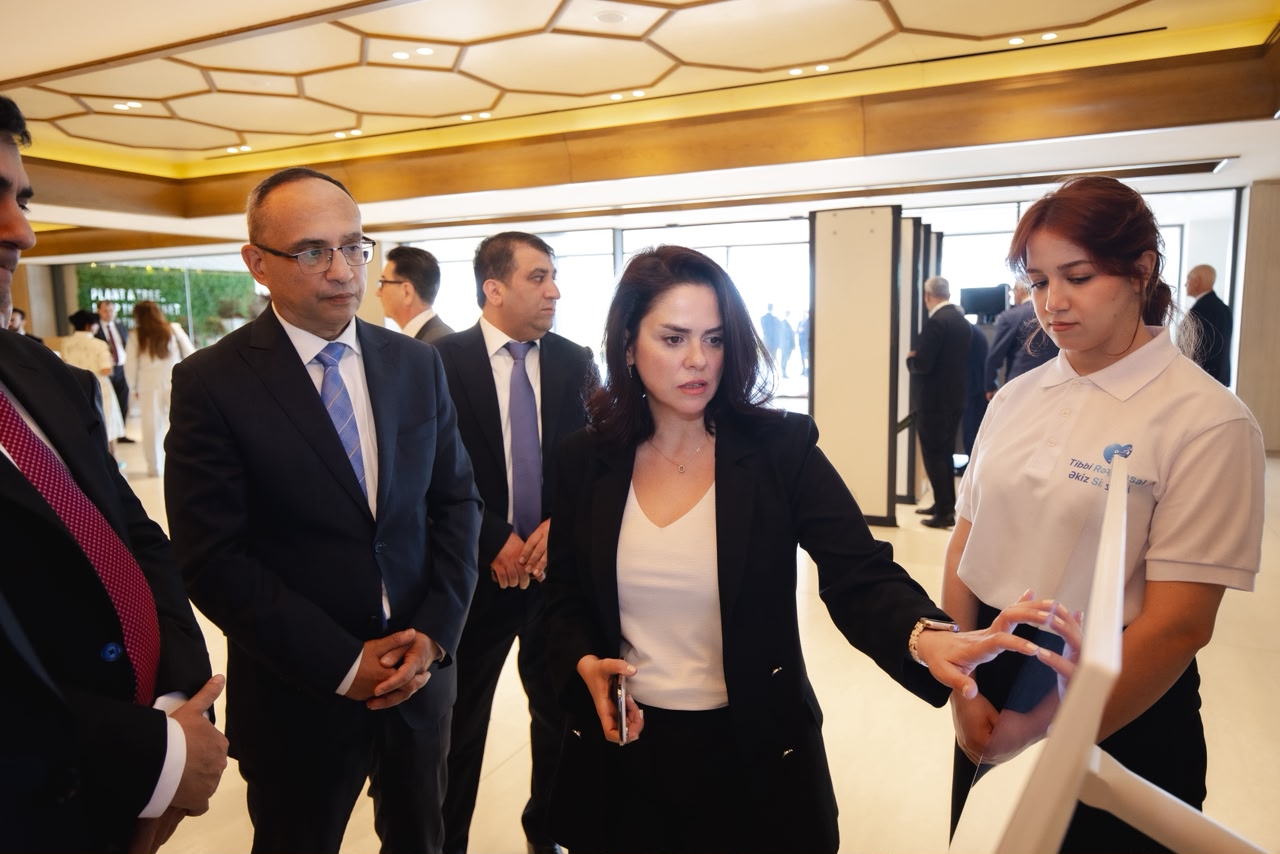
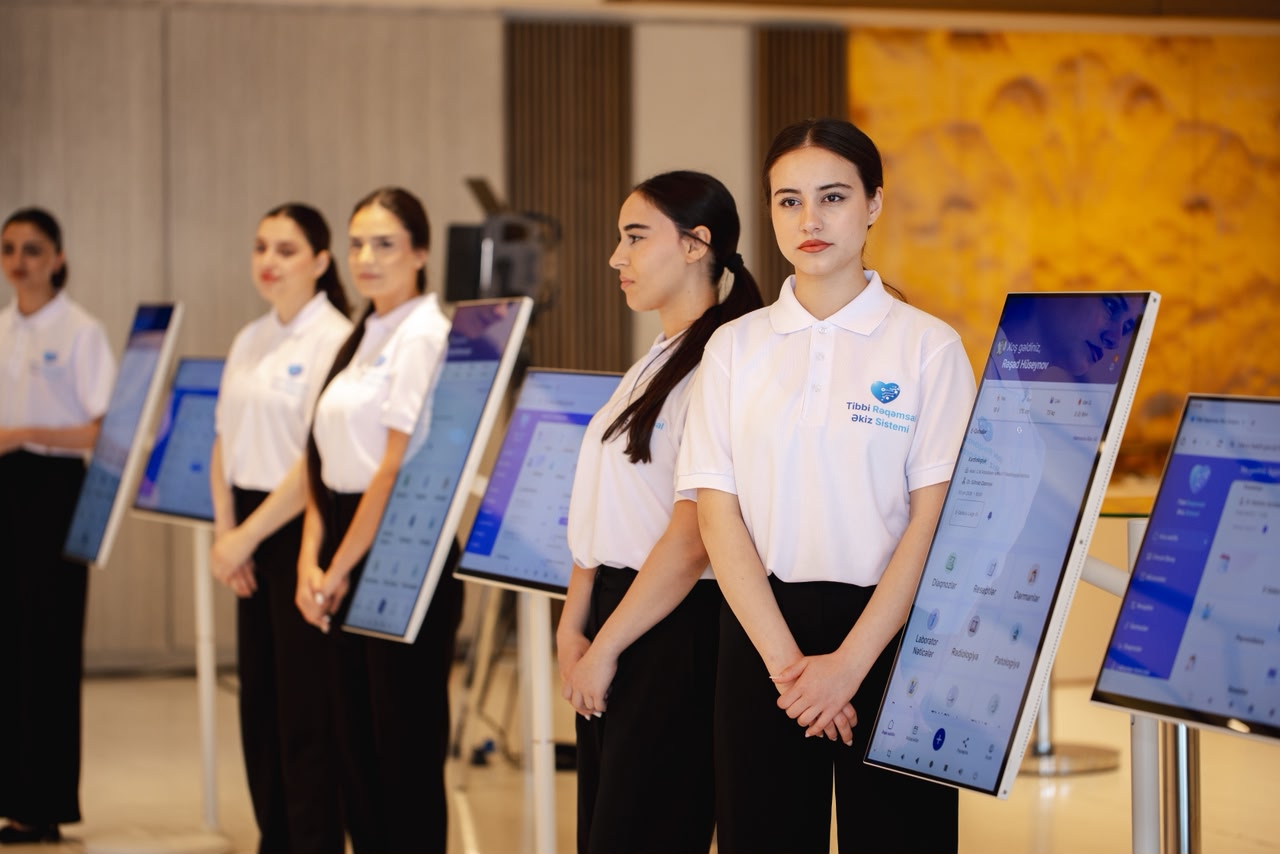
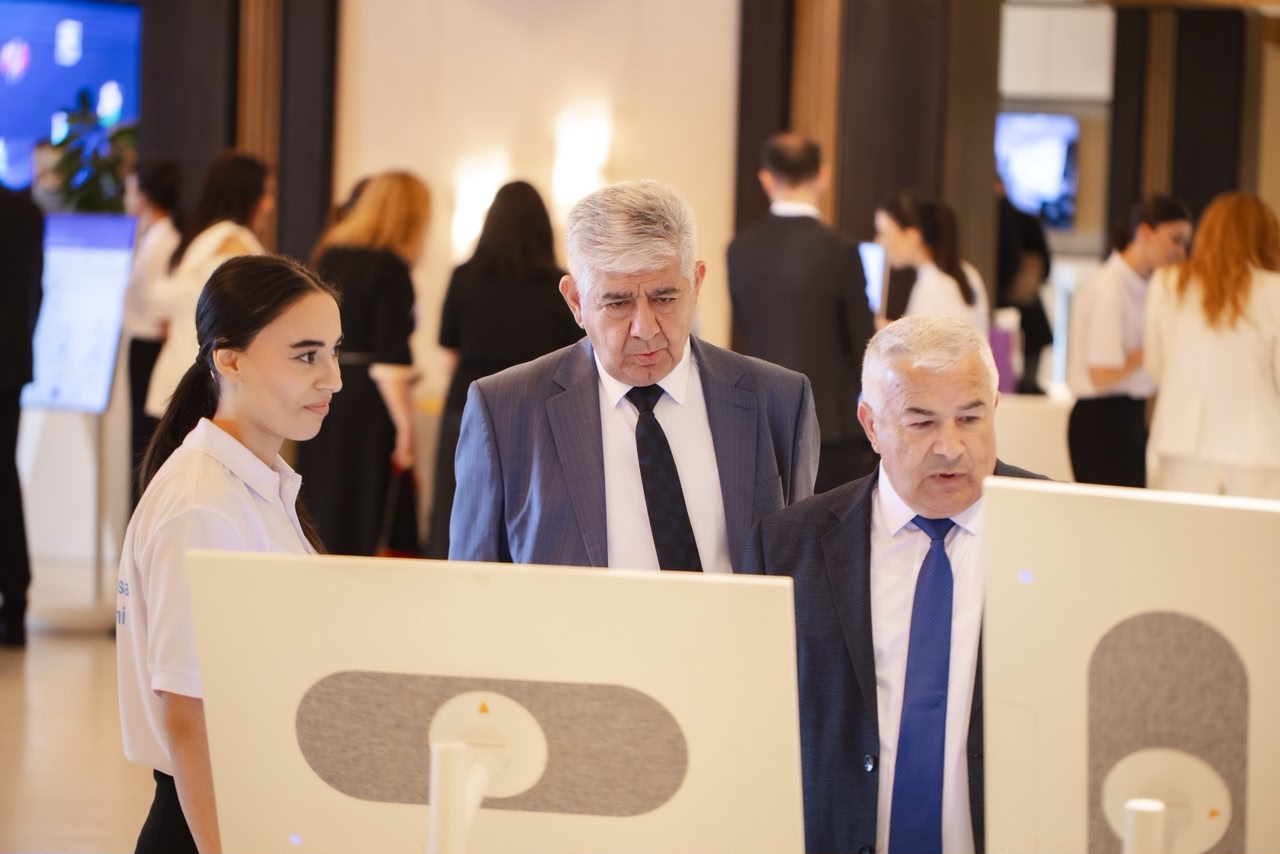
Students of Baku Basic Medical College No. 2 of the Ministry of Health demonstrated the operation of the Medical Digital Twin System in real time using display monitors, showcasing its role in modeling patients’ health indicators in a digital environment, enabling rapid data analysis, and supporting medical decision-making.